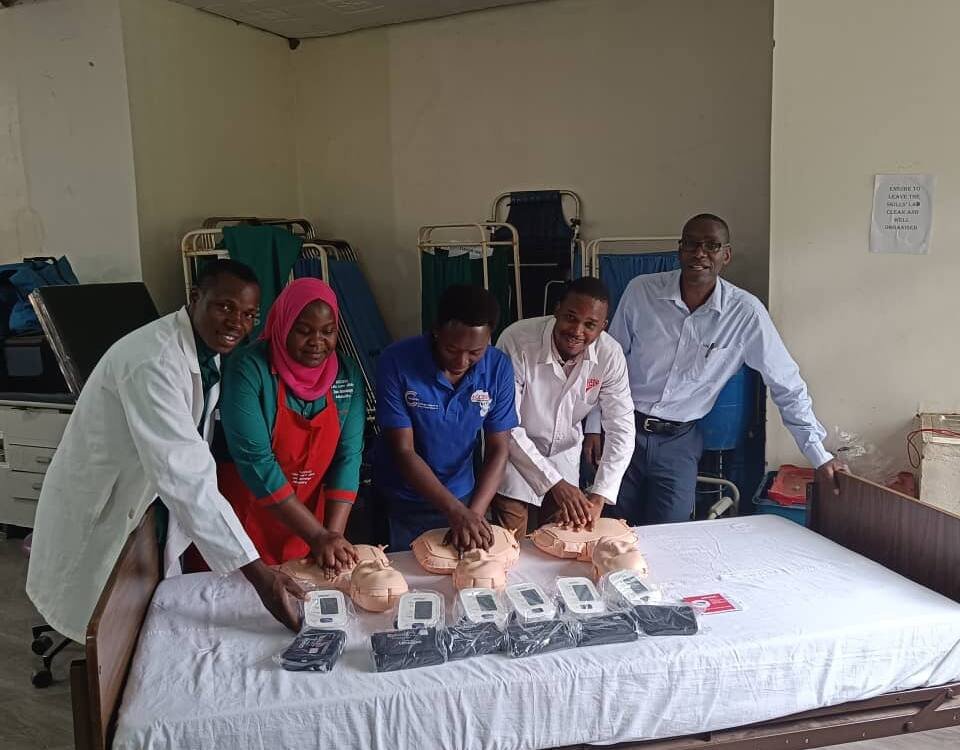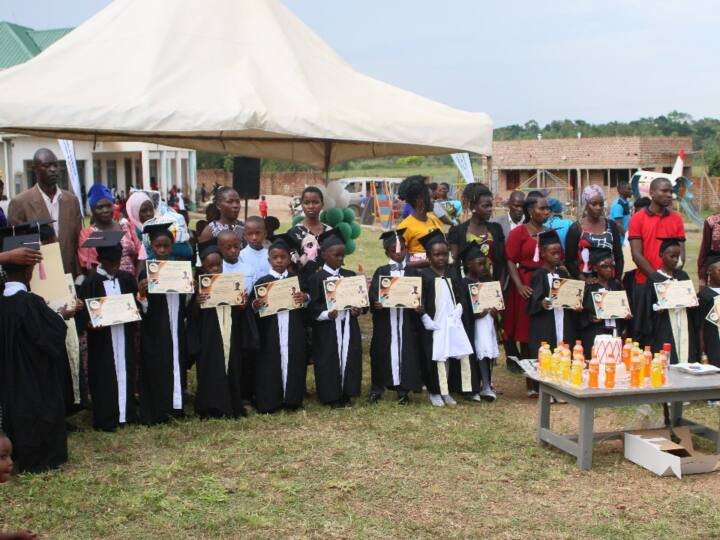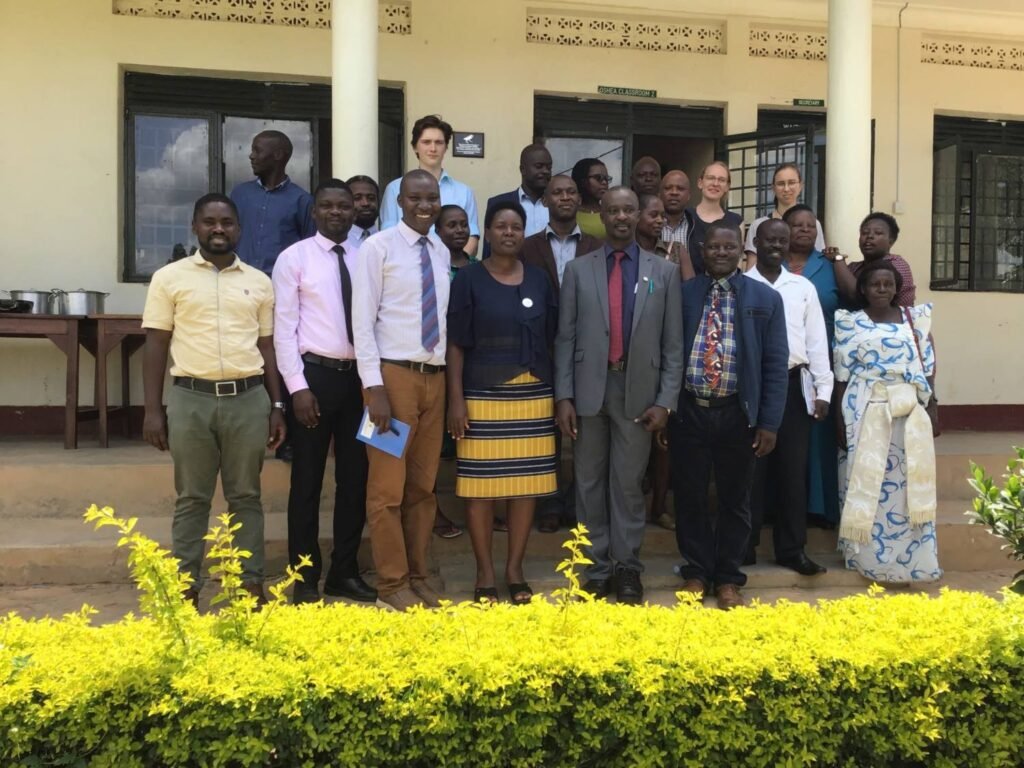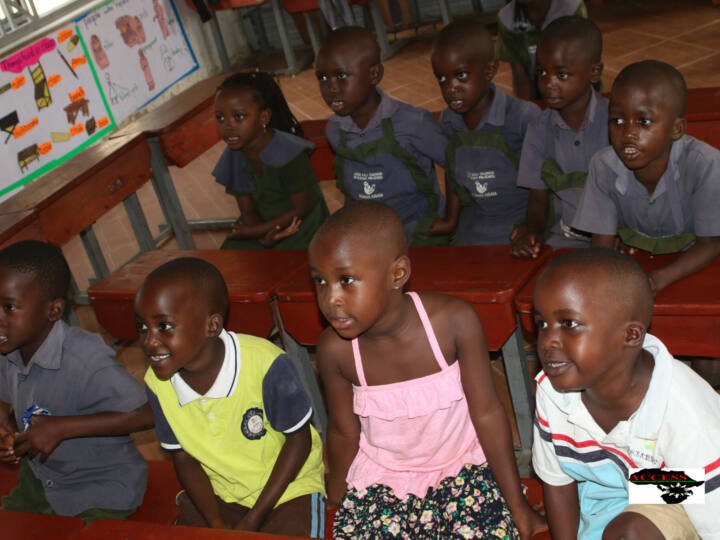
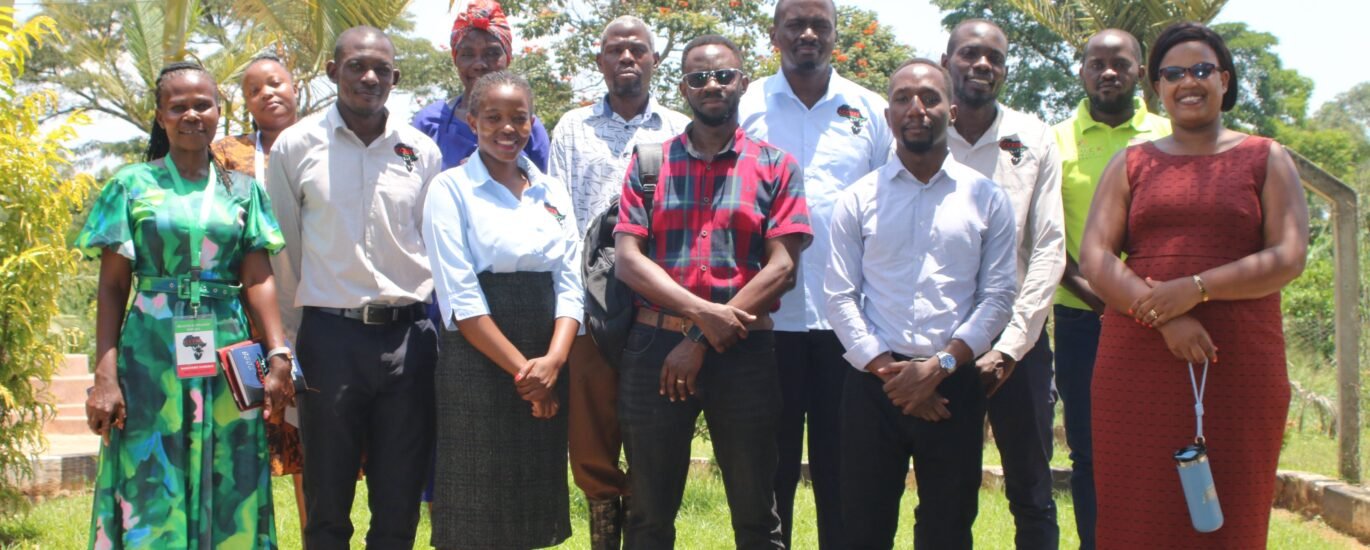
ACCESS was pleased to welcome a team from the Uganda Protestant Medical Bureau (UPMB) to our offices in Nakaseke. UPMB is one of our consortium partners in the Breakthrough T1D grant application, and the visit marked an important step in strengthening the systems, accountability and trust required for effective partnership.
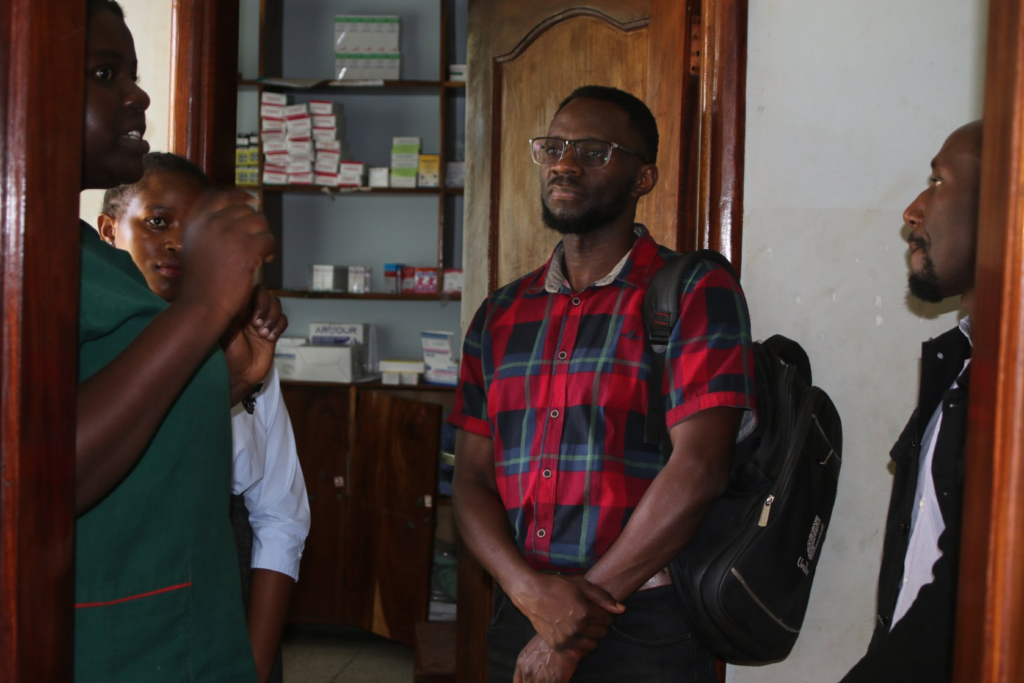
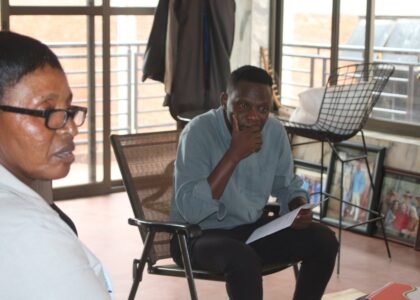
The visit focused on conducting institutional due diligence on ACCESS as a proposed implementing partner. The UPMB team reviewed key areas of our organisation, including our governance structures, financial management systems, programme capacity, internal controls and overall readiness to effectively deliver our responsibilities under the proposed consortium programme.
For ACCESS, this process goes beyond compliance. It provides an opportunity to demonstrate the systems we have built over the years, the communities we serve, and our commitment to ensuring that every resource entrusted to us is managed responsibly and translated into meaningful impact.
Under the proposed consortium arrangement, ACCESS is expected to contribute to interventions across the Type 1 Diabetes programme, while UPMB will play a central role in financial management and sub-grant administration. This complementary approach is intended to bring together institutional strength, community experience and shared accountability in responding to the needs of people living with Type 1 Diabetes in Uganda.
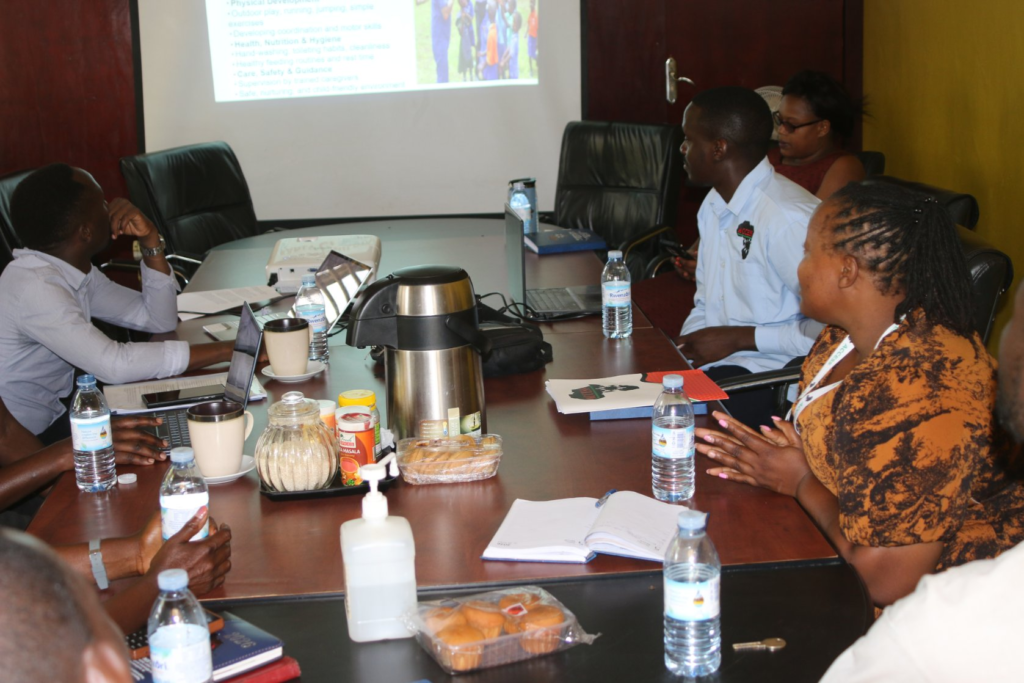
The visit also created space for open discussion, learning and a deeper understanding of ACCESS’s work on the ground in Nakaseke. Such engagement is essential in building partnerships that are not only technically strong, but also rooted in mutual trust and a shared commitment to the communities we serve.
We are grateful to the Uganda Protestant Medical Bureau team for taking the time to visit ACCESS, engage with our staff and learn more about our systems and programmes.
Strong partnerships are built on trust, accountability and shared purpose. This visit was another important step toward building a stronger, more coordinated and sustainable response to Type 1 Diabetes in Uganda.
Together, we are working toward a future where people living with Type 1 Diabetes can access the care, support and opportunities they need to live healthy and fulfilling lives.