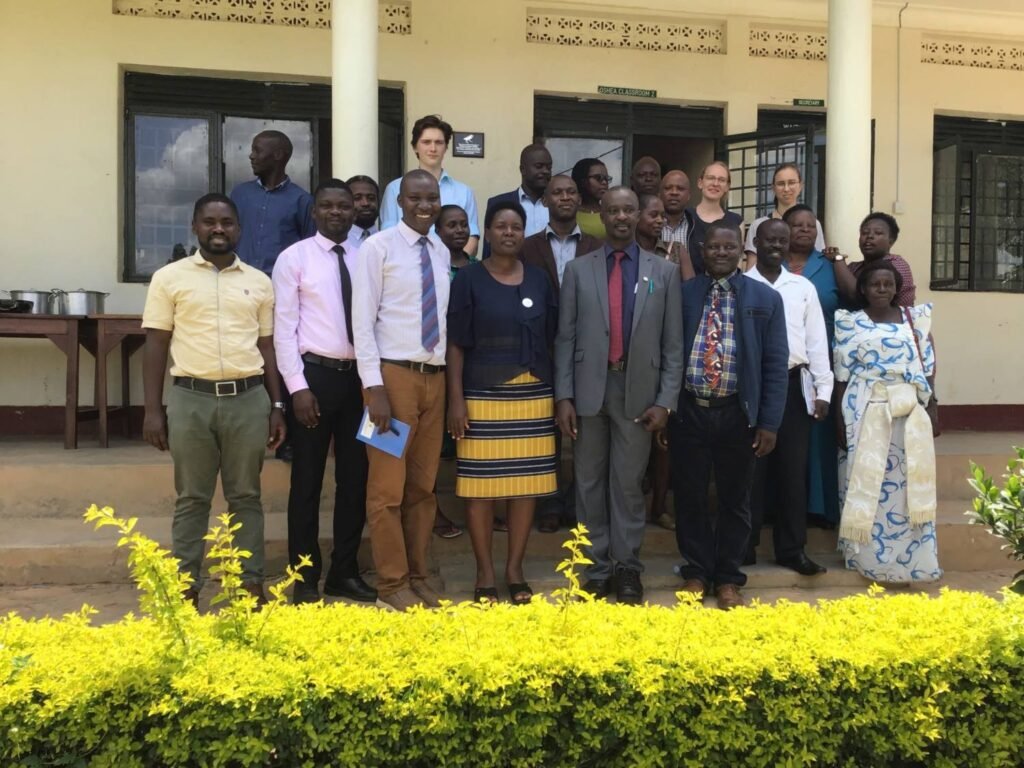
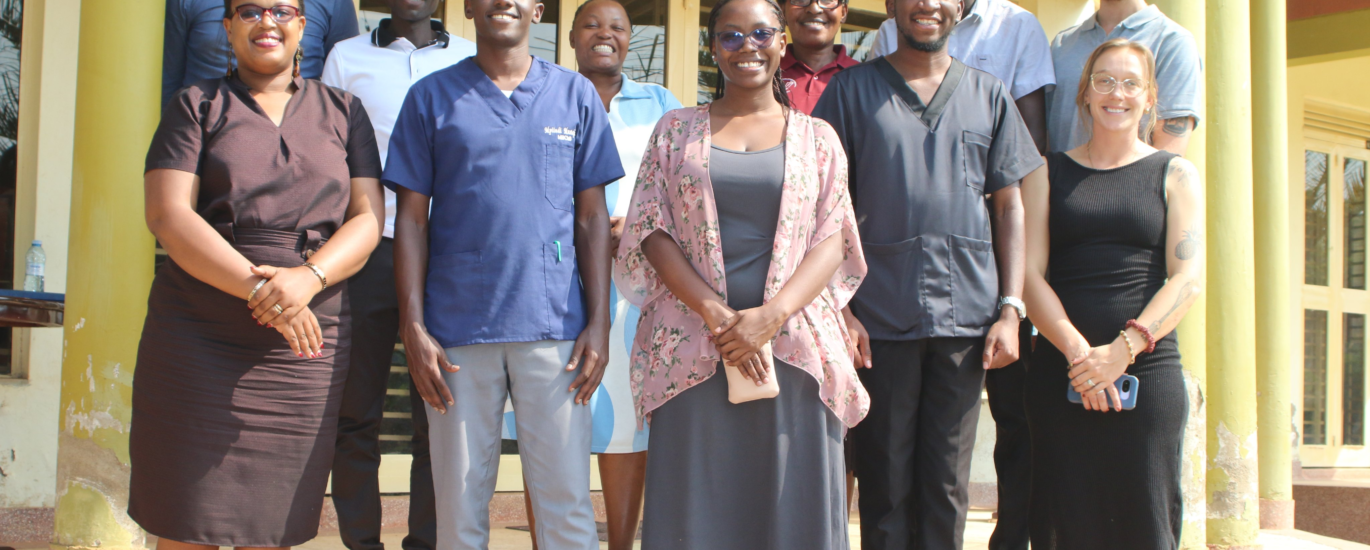
Fourth-year medical students Najjuma Julian, Nganwa Calvin Otim and Mpiindi Mustafah arrived at the African Community Centre for Social Sustainability (ACCESS) from the Makerere University College of Health Sciences, School of Medicine.Their community and clinical placement in Nakaseke was organised under the Makerere–Yale collaboration, commonly known as the MUYU programme.
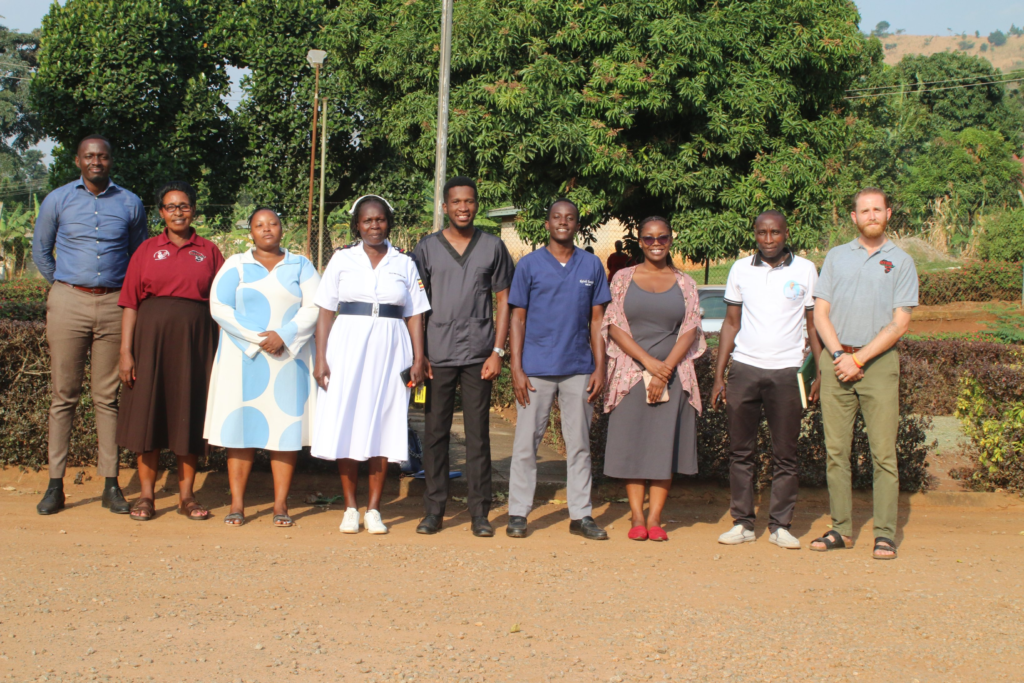
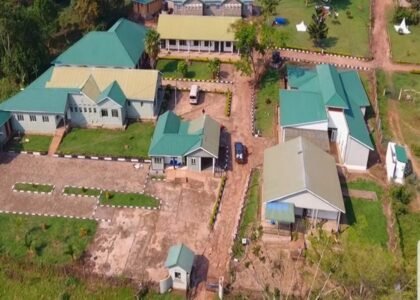
From the moment they arrived, they were welcomed into a warm and supportive environment. Comfortable accommodation, refreshments and carefully prepared meals helped them settle in and feel at home. This hospitality created a strong foundation for a week centred on learning, service and meaningful engagement with the community. Their orientation introduced them to the wider mission of ACCESS and its integrated approach to community development. Through guided interactions and a tour of the facilities, they learned how ACCESS connects healthcare with education, vocational training, economic empowerment and support for vulnerable children and families. What inspired the students most was seeing how these programmes respond to real challenges. They discovered an organisation working to keep vulnerable children in school, equip young people with practical skills, support struggling households and improve access to essential healthcare in rural communities.
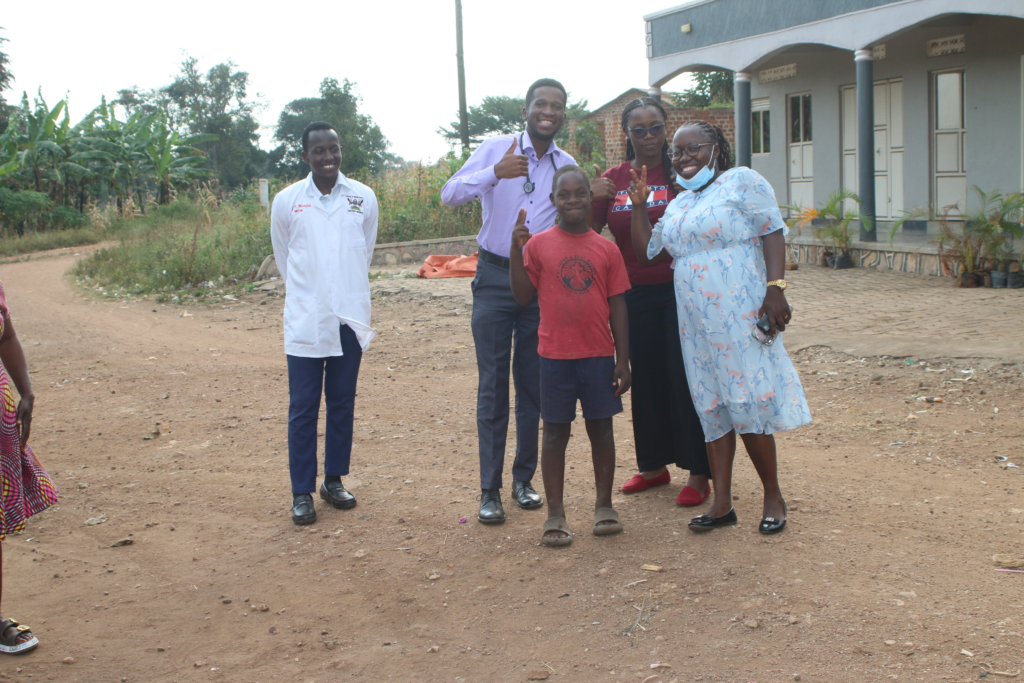
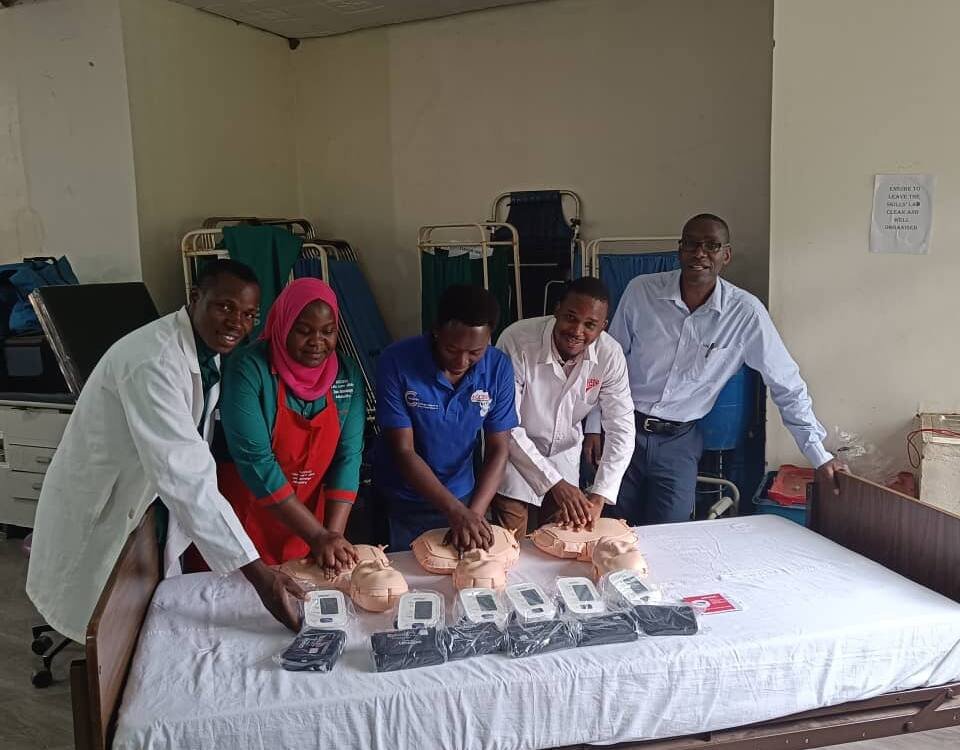
At ACCESS, academic excellence met community impact. The students gained firsthand experience in rural healthcare delivery through chronic disease clinics, hospital-based clinical learning, community home visits and a medical outreach camp. They interacted with patients living with conditions such as diabetes and hypertension while learning how social and economic circumstances influence treatment and recovery.
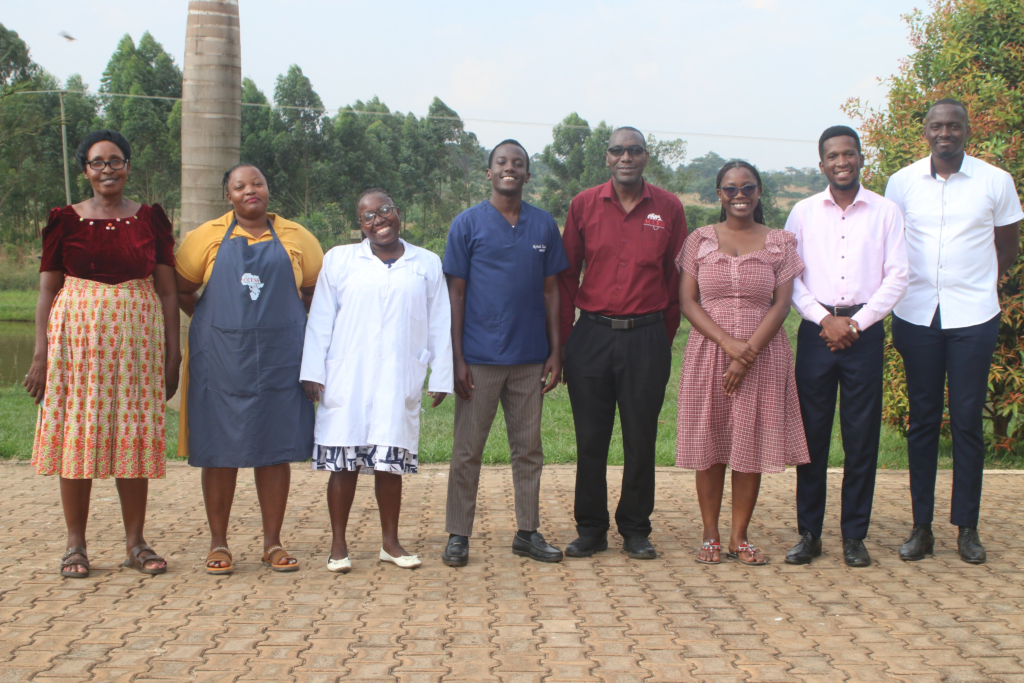
Their learning extended beyond consultation rooms and hospital wards. During home visits, they met elderly people and vulnerable families whose health challenges were closely connected to isolation, limited income, transport difficulties and reduced access to health facilities. These encounters helped the students see patients not simply as medical cases, but as people whose health is shaped by their homes, families and communities. At a community medical camp, they supported patient assessment, took medical histories and participated in the management of common health conditions. They also shared practical health information on malaria prevention, healthy eating and reducing the risk of non-communicable diseases.
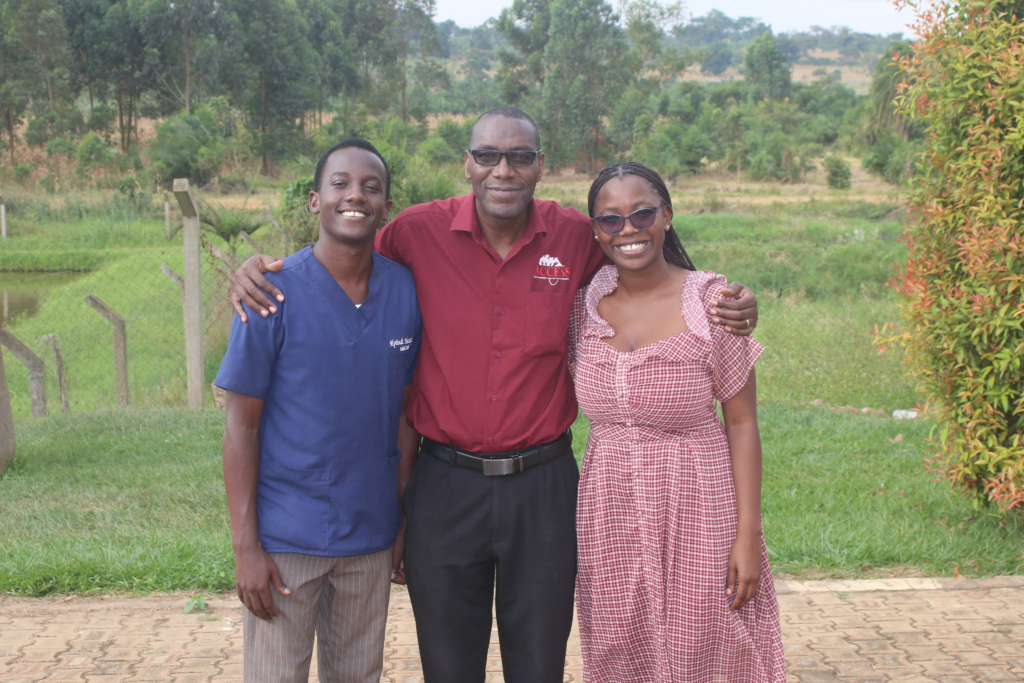
Throughout the rotation, the ACCESS team provided guidance, coordinated the programme and connected the students with experienced healthcare professionals. The carefully planned activities allowed them to apply classroom knowledge while developing confidence, teamwork, communication and compassion.
The warmth of the ACCESS staff also left a lasting impression. Julian, Calvin and Mustafah were not treated simply as visiting students. They were welcomed as part of a community committed to learning, service and the transformation of rural lives.
By the end of the placement, the students had gained more than clinical experience. They had developed a deeper appreciation of community-centred healthcare and the importance of understanding the person behind every condition.
At ACCESS, we are honoured to provide a platform where future healthcare leaders can learn directly from patients, families, community workers and multidisciplinary medical teams. Through the MUYU collaboration, students experience the realities of rural healthcare and discover how medicine, public health and community engagement can work together.
This was more than a one-week academic rotation. It was an inspiring exchange of knowledge, compassion and service—one that will help shape these promising students into thoughtful, community-minded and globally aware healthcare leaders.